
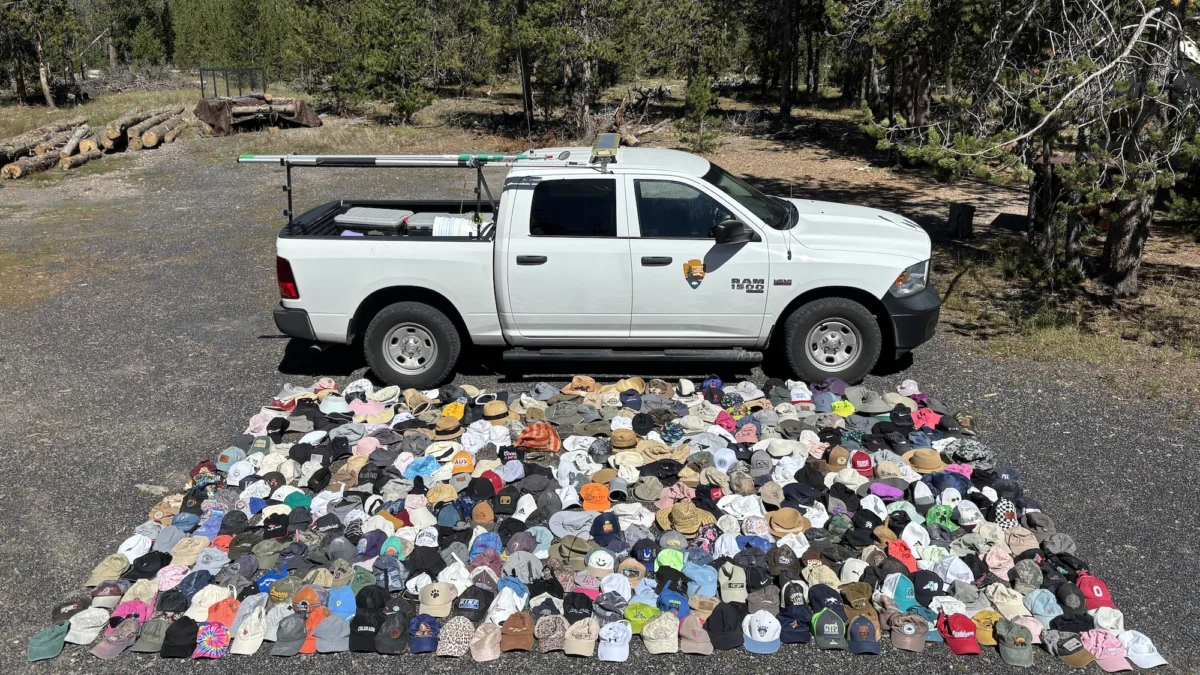
Every year, millions of travelers descend upon Yellowstone National Park to witness the geothermal wonders that have defined the American wilderness for over a century. However, as the 2026 summer season concludes, park officials have released a sobering inventory of what those millions of visitors leave behind. Beyond the standard refuse of water bottles and snack wrappers, park maintenance crews have recovered a staggering array of personal belongings—including hundreds of hats, assorted currencies, and bizarre curiosities—from the park’s fragile hydrothermal basins. This annual ritual of recovery serves as both a logistical necessity and a stark reminder of the human footprint in one of the world’s most protected ecological sanctuaries.
The Anatomy of an Accidental Loss
The geographic nature of Yellowstone—characterized by high-altitude plateaus, steep canyons, and vast, open thermal basins—creates unique environmental challenges for visitors. Gusty, unpredictable winds, particularly in exposed areas surrounding geysers and hot springs, act as a persistent thief. According to park rangers, the loss of headwear is so common that it has become a predictable seasonal phenomenon.
In 2026 alone, crews retrieved more than 280 hats from restricted thermal zones. These items, ranging from high-end athletic caps to souvenir headwear, often tumble into areas where human access is strictly prohibited for safety and conservation reasons. The recovery process is not merely a service for the forgetful; it is an environmental imperative. Because many of these hats land in sensitive, boiling, or highly acidic waters, they can cause immediate damage to the delicate microbial mats and mineral formations that define the park’s iconic geysers.
A Chronology of the 2026 Cleanup
The cleanup operation typically ramps up as the peak summer tourism months conclude. By late August and early September, when wind patterns shift and the density of the crowds begins to thin, the park’s geology team initiates a systematic sweep of high-traffic thermal areas.
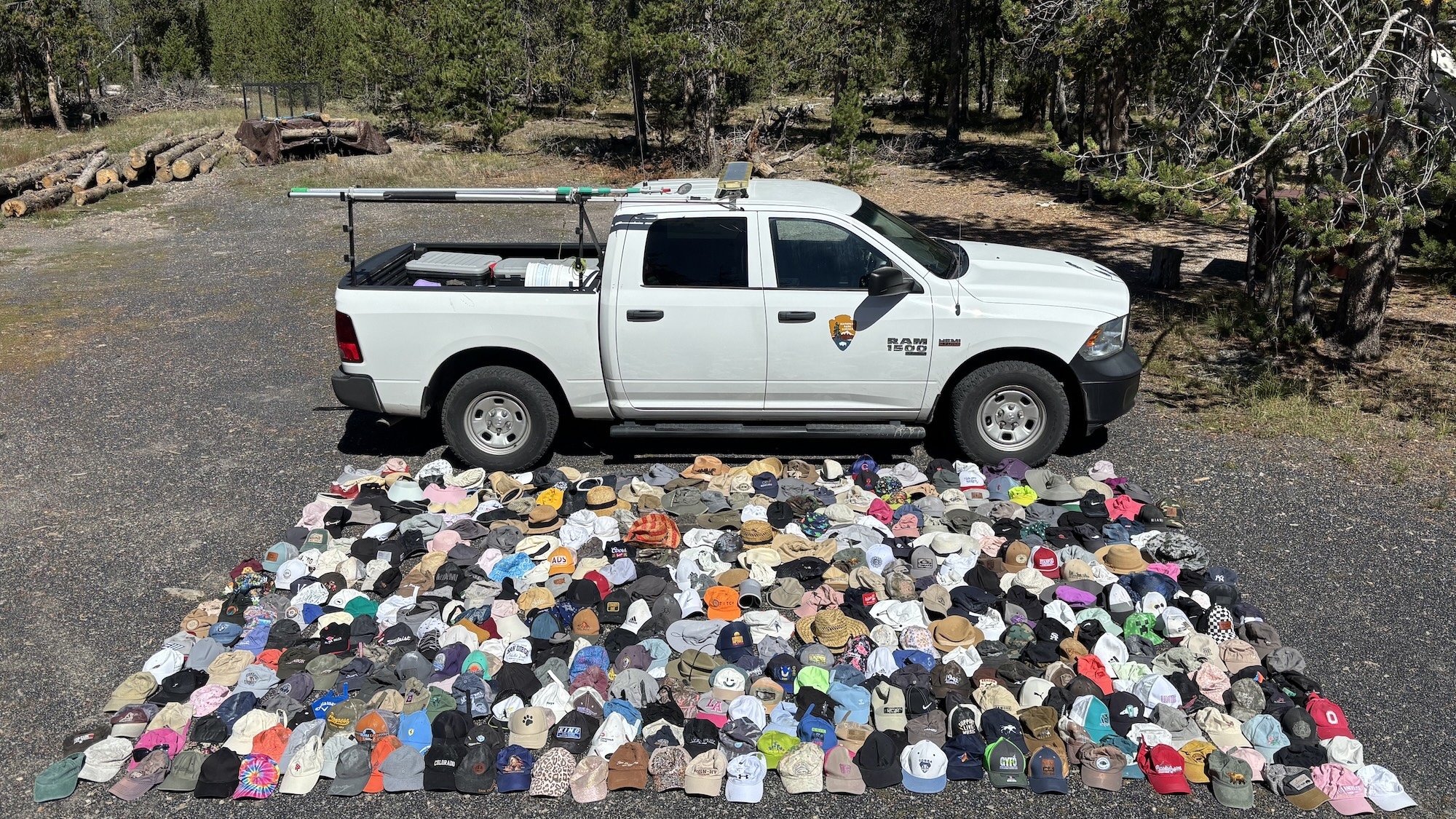
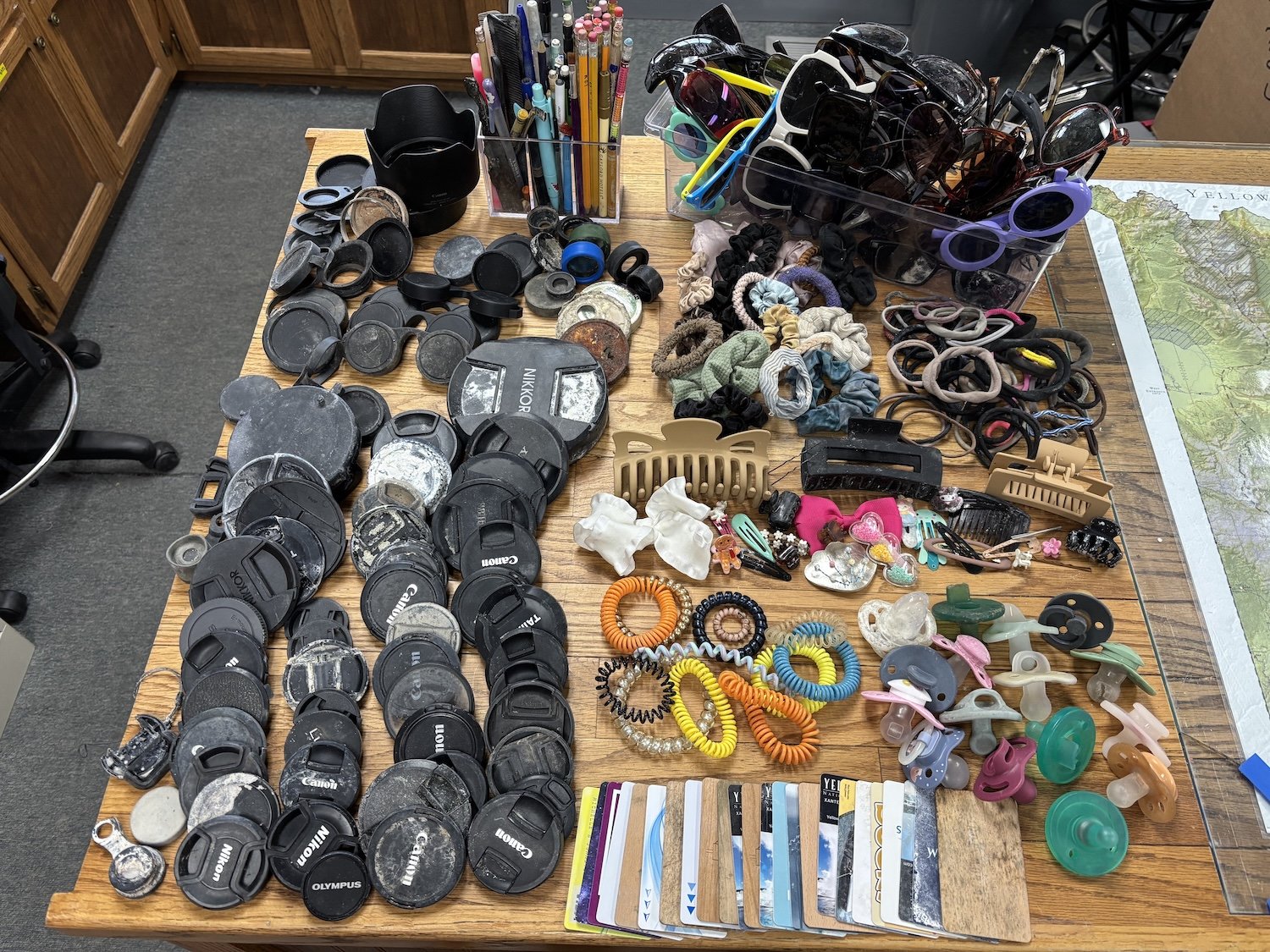
Throughout the summer, the collection process is continuous, though it peaks during the autumn transition. Rangers and research staff, who are already on-site to monitor water chemistry and seismic activity, maintain a "found-items" log. This year’s haul included a notable range of items:
- Early Summer: Primarily sunglasses, lens caps, and lightweight plastic debris.
- Mid-Summer: A surge in lost electronics, including AirPods and mobile phone accessories, as visitor traffic hit its seasonal zenith.
- Late Summer: The final sweep uncovered larger objects, including children’s toys, discarded clothing, and miscellaneous items that had been blown into deeper, harder-to-reach crevices over the preceding months.
Economic and Ecological Costs of "Wishing Wells"
Perhaps the most concerning aspect of the 2026 haul was the recovery of more than $18 in international currency. Visitors often treat the park’s geothermal features as traditional "wishing wells," tossing coins into the boiling water. This practice, while perhaps born of a romanticized view of the landscape, is strictly prohibited under federal law.
The ecological impact of this behavior is well-documented by the United States Geological Survey (USGS). When coins and other metal objects are introduced into hydrothermal vents, they do not simply vanish. They dissolve or settle into the plumbing of the geyser, potentially obstructing water flow. More critically, the introduction of non-native materials and metals into these extreme environments can introduce destructive algae and invasive bacteria. These organisms can outcompete the unique thermophilic life forms that have evolved in Yellowstone’s vents for millennia. The presence of foreign currency—including euros, pesos, and yen—suggests that this is a global issue, highlighting the need for clearer international communication regarding park etiquette at entrance points.
Official Responses and Operational Logistics
Yellowstone National Park officials have utilized the 2026 findings to launch a renewed campaign on visitor responsibility. While the park maintains a robust Lost and Found department, the volume of items recovered from thermal basins poses a logistical burden.
"We want our visitors to have a memorable experience, but that experience must not come at the cost of the park’s natural integrity," said one park spokesperson during the briefing on the 2026 findings. The strategy for managing these items has evolved; rather than discarding the hundreds of hats collected, the park has implemented a donation program. After being cleaned and inspected, the reclaimed items are diverted to local charitable organizations in nearby Montana and Wyoming communities, turning a nuisance into a modest social good.
However, officials emphasize that this is a "best-case scenario." Most items—such as the single Uno card or various pieces of plastic debris—are not salvageable and contribute to the park’s waste management costs. The administrative time spent by highly trained geology staff on retrieving trash is time diverted from essential scientific research and site preservation.
Broader Implications for National Park Management
The situation at Yellowstone is a microcosm of a larger challenge facing the United States National Park Service (NPS). As park attendance continues to climb toward record levels—with Yellowstone regularly welcoming over 4.5 million visitors annually—the wear and tear on the infrastructure and the environment becomes increasingly difficult to manage.
The "Stash Your Trash" initiative is a direct response to the mounting volume of debris. The park’s recommendation is straightforward: if an item is not being used, it should be secured deep within a zipped pocket or a heavy bag. For hats and sunglasses, the park advises that visitors remove them entirely when walking near the edges of thermal basins or in high-wind zones.
Furthermore, the data collected from the 2026 cleanup provides valuable insights into visitor behavior. The prevalence of small, easily lost items like hair ties and lens caps suggests that visitors are often ill-prepared for the reality of the park’s physical environment. Educational programs at visitor centers are now being adjusted to include visual displays of these recovered items, providing a tangible example of the consequences of negligence.
Future Perspectives
As technology advances, some have suggested that drone surveillance could be used to monitor thermal areas for debris. However, the use of drones in national parks is heavily regulated to protect wildlife and the visitor experience, making this an unlikely solution in the immediate future. Instead, the park remains focused on human-led solutions: signage, digital warnings, and the collective effort of the millions of visitors who do follow the rules.
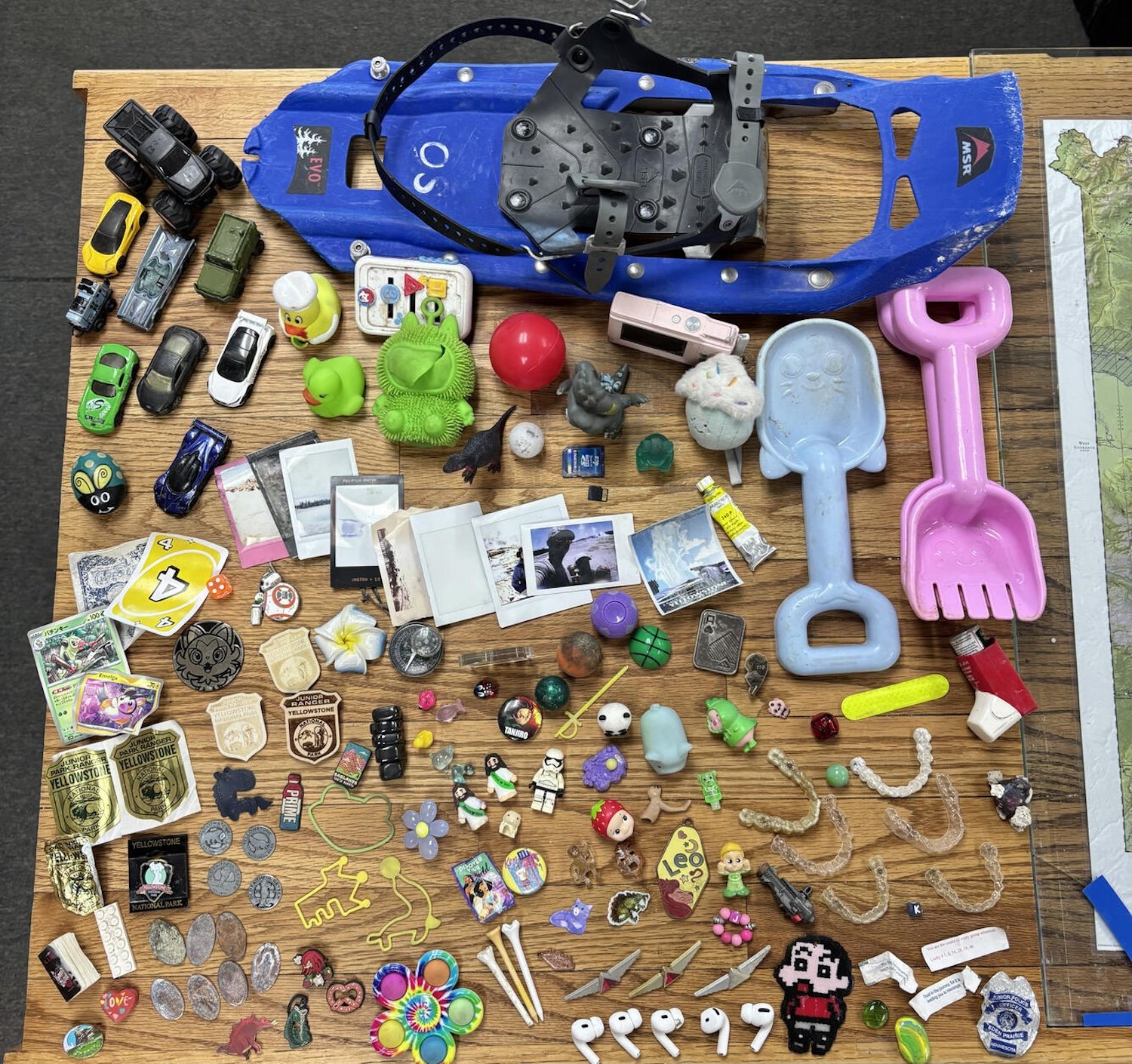
The 2026 collection is a reminder that the boundary between human convenience and ecological preservation is razor-thin. While a baseball cap or a pair of AirPods may seem inconsequential to the individual, the cumulative effect of millions of visitors—even with a tiny percentage of them losing items—threatens the very features they came to see. As Yellowstone looks toward future seasons, the goal is to shift the narrative from "recovery" to "prevention," ensuring that the park remains a protected geological sanctuary rather than a repository for the world’s lost trinkets.
Ultimately, the 2026 findings serve as a benchmark for environmental stewardship. The fact that the park remains largely pristine despite the massive influx of human activity is a testament to the hard work of its staff, but the persistence of this annual "lost and found" haul highlights the ongoing need for public education. Whether it is a coin tossed for luck or a hat lost to a sudden gust, the message from the park service is clear: the only thing a visitor should leave behind is their footprints—and even those should be kept strictly to the designated boardwalks.

