
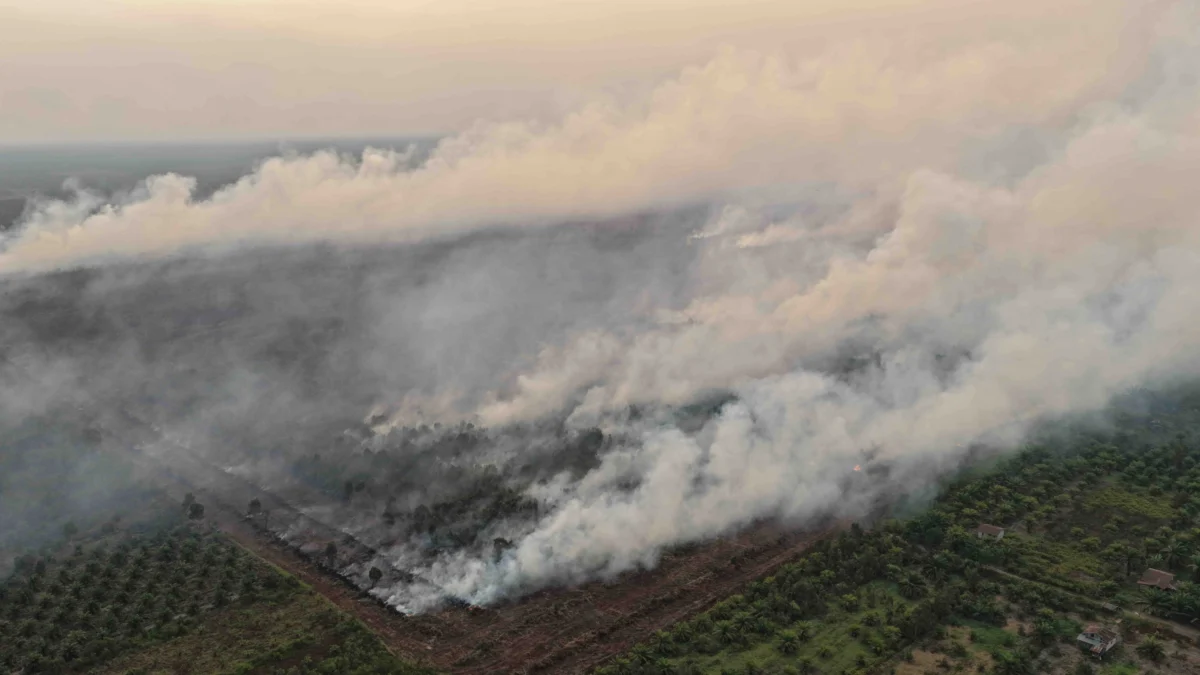
The Indonesian disaster management sector, already reeling from the devastating impact of widespread forest fires and seasonal flooding, has been rocked by a major corruption scandal involving the National Disaster Management Agency (BNPB). On October 13, the Corruption Eradication Commission (KPK) executed a series of lightning raids, leading to the apprehension of five individuals suspected of orchestrating a systematic embezzlement scheme involving "Ready-to-Use Funds" (DSP)—a financial mechanism specifically designed for immediate emergency response and disaster relief. As the nation battles the environmental and health consequences of prolonged forest and land fires (karhutla), the revelation that disaster relief budgets were allegedly being siphoned off for private gain has sparked national outrage and intensified calls for a comprehensive investigation that reaches the highest levels of institutional decision-making.
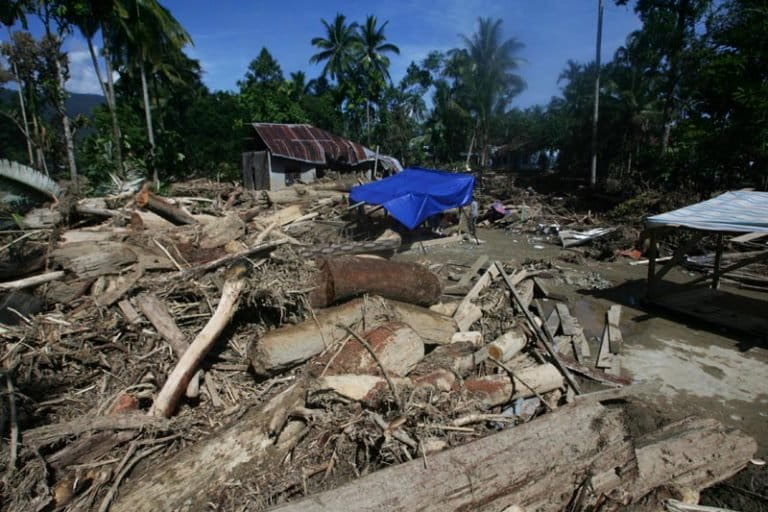
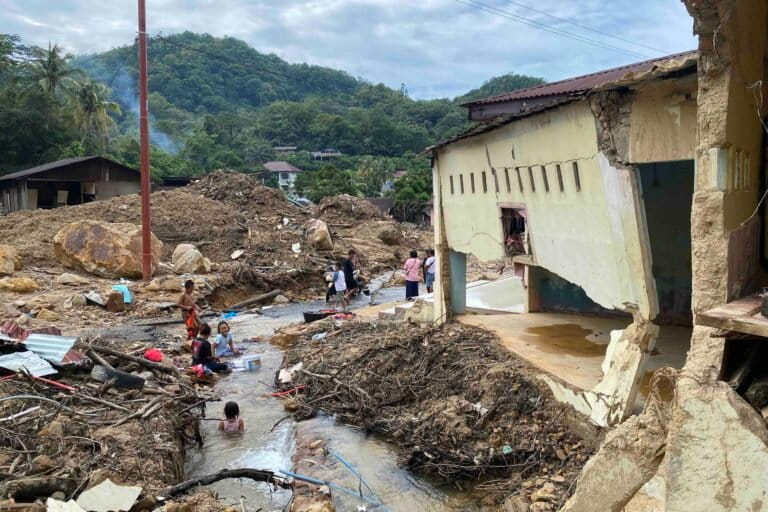
The investigation into this breach of public trust centers on the alleged manipulation of procurement processes for essential disaster relief goods, including emergency tents, blankets, water pumps, and inflatable boats. According to KPK investigators, the suspects leveraged the urgency of humanitarian crises in Aceh, Sumatra, Kalimantan, and Papua to bypass standard oversight, effectively creating a lucrative "disaster market" designed to enrich private entities and complicit officials.
The Anatomy of the Scandal and Key Suspects
The KPK has officially named five suspects in the case, illustrating a complex web of collusion between public officials and the private sector. The primary figures identified include Bima Setiawan (BMS), a technical advisor to the head of the BNPB and the brother of the former agency chief, Suharyanto; Richard Erlangga (RIC), also a technical advisor; and Gabriel Purwaka Sigit (GPS), the Commitment-Making Official (PPK) and sub-director of emergency fund management. The private sector element of the conspiracy is represented by Gery Prasetiawan (GER), Director of PT Trans Lintas Selaras, and Syifa Nrika Ghifarian (SNG).
Evidence gathered during the initial phase of the investigation suggests a sophisticated "plotting" system, where procurement projects were pre-allocated to specific companies. Budi Prasetyo, the spokesperson for the KPK, noted that investigators have identified significant conflicts of interest, including evidence that a company involved in the procurement was affiliated with Bima Setiawan through his wife, Sri Endang, who served as a commissioner. This discovery points toward a deeper, systemic issue of nepotism and the exploitation of proximity to power to manipulate state-funded relief efforts.
Chronology of Investigation and Asset Seizure
The KPK’s offensive began in earnest following the formal elevation of the case to the investigation phase. Between mid-October and early November, the anti-corruption agency conducted coordinated raids across eight locations in Jakarta, Tangerang, and Bekasi, including the official headquarters of the BNPB and the private residences of the suspects.
The haul from these raids was staggering. Investigators seized approximately IDR 3.35 billion in cash, gold, and cryptocurrency assets valued at IDR 1.1 billion. Furthermore, a collection of high-end vehicles—including three luxury cars (AION, BYD Atto 3 Superior, and a BMW) found at Bima Setiawan’s residence, and another BMW linked to Richard Erlangga—were confiscated as evidence of illicit enrichment. These physical assets are currently being analyzed by the KPK to trace the flow of funds and corroborate the theory of widespread financial irregularities within the procurement chain.
Allegations of Military Involvement
The investigation took a significant turn when the KPK disclosed potential involvement of two active-duty Indonesian National Armed Forces (TNI) personnel in the procurement scheme. On October 20, the KPK formally notified the Commander of the Indonesian National Armed Forces, General Agus Subiyanto, regarding the findings. While the specific identities and roles of these military officers remain confidential pending further investigation, the involvement of security personnel in a civilian agency’s procurement process suggests a breach of inter-agency integrity and raises concerns regarding the militarization of disaster management logistics. The KPK has handed over the necessary documentation to the Military Police (Puspom TNI), expecting a parallel disciplinary and legal process within the military justice system.
Contextualizing the Disaster Crisis: A Double Burden
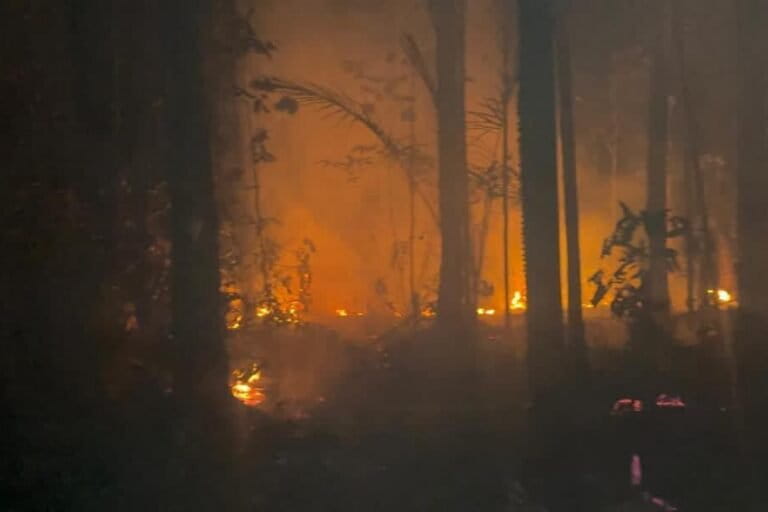
The corruption scandal unfolds against a backdrop of severe climate instability. By mid-October 2026, the Ministry of Health reported a staggering 277,075 cases of Acute Respiratory Infection (ISPA) across 63 regencies and cities, with children under five accounting for 22.5% of the affected population. Data from the Ministry of Forestry’s SiPongi system indicates that between January and July 2026, over 202,000 hectares of land were consumed by fire, a 695% increase compared to the same period in 2025.
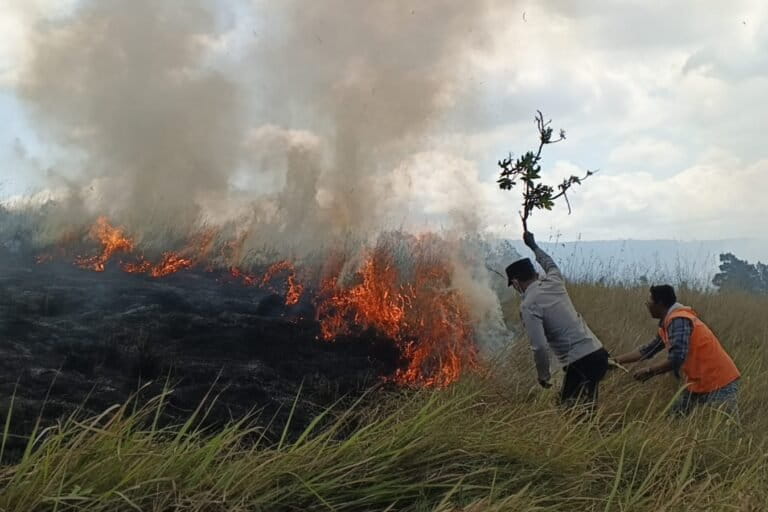
The environmental impact extends beyond national borders, with transboundary haze frequently affecting Malaysia and Singapore. The irony of the situation is not lost on civil society: while frontline workers and volunteers struggle to contain the fires and provide relief to displaced families, the financial resources intended to equip them were allegedly diverted into the pockets of officials and private contractors. The scarcity of high-quality equipment—such as fire-resistant gear and proper water purification systems—directly correlates with the efficiency of disaster response, making this corruption a matter of life and death.
Institutional Criticisms and Demands for Reform
Indonesia Corruption Watch (ICW) has been among the most vocal critics of the current state of governance within the BNPB. Wana Alamsyah, Head of the Law and Investigation Division at ICW, argued that the scandal highlights a fundamental failure in internal oversight. According to Alamsyah, the BNPB’s internal inspectorate has historically been "powerless" when facing pressure from individuals close to agency leadership.
ICW has proposed a four-pillar reform strategy for the BNPB:
- Total Transparency: Complete disclosure of all procurement contracts, vendor data, and budget realization reports.
- Independent Oversight: Strengthening the independence of the Inspectorate to ensure it can audit senior management and their associates without fear of retaliation.
- Conflict of Interest Disclosure: Mandatory reporting of familial or business ties for all staff involved in the procurement chain.
- Procedural Clarity: Standardizing the decision-making process during emergency periods to prevent the "emergency" designation from being used as a loophole for expedited, non-competitive bidding.
Indira Hapsari, Coordinator of the Forum Loka Nusa, echoed these sentiments, emphasizing that disaster relief is not merely an administrative task but a human rights obligation. "The funds are intended to protect the lives and rights of vulnerable populations," Hapsari stated. "Corruption in this sector is not just a white-collar crime; it is an act of violence against the citizens who have lost their homes, livelihoods, and health to disasters."
Future Implications and The Road Ahead
As the KPK continues its analysis of electronic evidence and prepares to summon high-ranking officials, the case is likely to set a precedent for how the Indonesian government handles budget transparency in emergency situations. The pressure is mounting on the KPK to move beyond the "mid-level" suspects and investigate the entire chain of command. Legal experts suggest that if the evidence supports the involvement of higher-ranking officials or former agency leadership, the agency must demonstrate impartiality by pursuing those leads regardless of political or institutional ties.
The government is now faced with a dual challenge: restoring public confidence in the disaster management sector while simultaneously addressing the escalating climate disaster. The ongoing legal proceedings are expected to be lengthy, but the outcome will be a litmus test for the effectiveness of Indonesia’s anti-corruption architecture. For the thousands of families still recovering from floods and the communities living under the shadow of persistent forest fires, the demand for justice is clear: the mechanisms that provide relief must be as resilient and transparent as the communities they are meant to protect. The tragedy of the BNPB scandal is that while the flames of the forest fires may eventually be extinguished, the damage caused by the burning of public trust will require much more than a standard emergency response to heal.

