
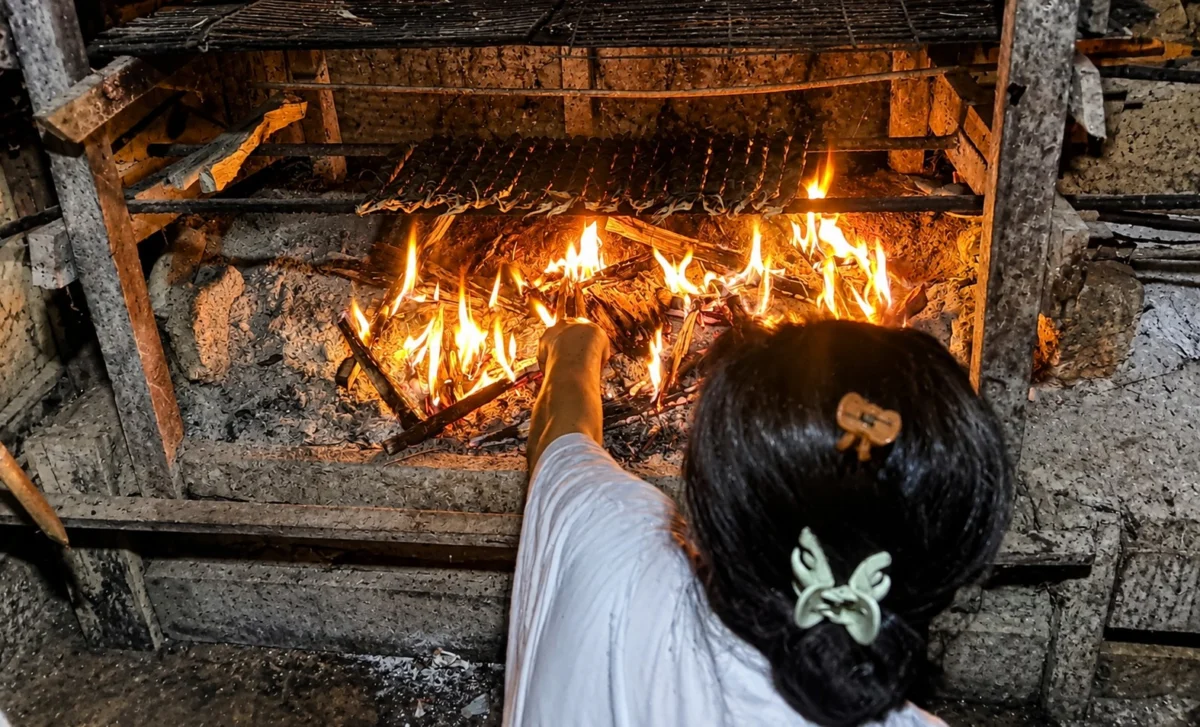
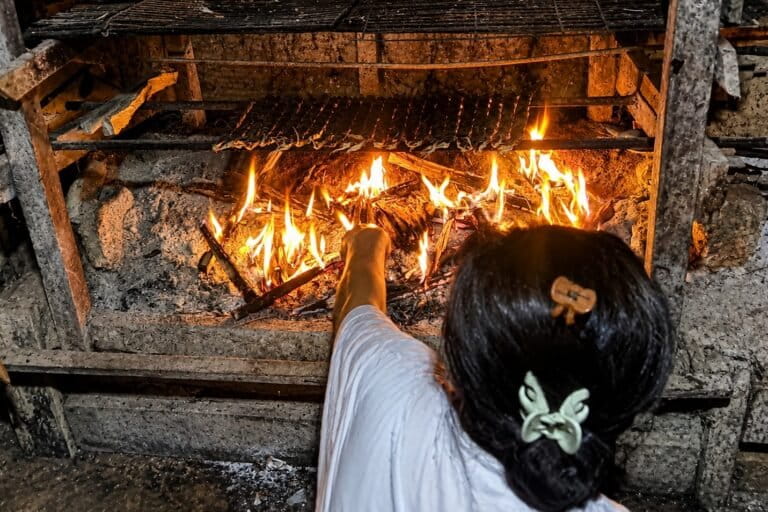
The hands of Keisha Sapondoro, a resident of Sirilanggai Hamlet in Malancan Village, North Siberut, move with a practiced rhythm that speaks of a lifetime of tradition. As dusk approached on Tuesday, June 30, 2026, she deftly rolled sago flour dough into sago leaves, forming cylindrical packages roughly 40 centimeters in length. After adding a pinch of salt, she arranged these rolls neatly over a wood-fired hearth. Within thirty minutes, the kitchen was filled with the distinct, smoky aroma of burning sago leaves. That evening, twenty sticks of kapurut—a traditional Mentawai sago dish—were served alongside side dishes for her guests. The flavor was naturally savory, enhanced by the fragrant char of the leaves, offering a sense of warmth and satiety that few modern foods can replicate.
In many parts of the Indonesian archipelago, rice has become an almost irreplaceable staple. However, in the remote interior of the Mentawai Islands, sago remains a cornerstone of daily life for many families. This local food is more than just a source of carbohydrates; it is a cultural heritage that binds the Mentawai people to the forests that have sustained them for centuries. For Keisha, kapurut is the food of her upbringing, harking back to a time before rice dominated the local palate. She recalls vividly when tubers, taro, and sago were the primary sources of energy for her community. Even today, she maintains the routine of preparing sago, particularly when fresh fish is available. To her, the combination of kapurut and fish is far superior to any rice-based meal, providing a lasting fullness that rice cannot match.
The Historical Shift: From Sago Groves to Rice Paddies
The transition of the primary food source in Mentawai from sago to rice is not a natural evolution of taste, but rather the result of decades of socio-political pressure. According to research by Ade Irwandi and Kris Irwandi Saleleubaja, published in the Journal of the Indonesian Society (2021), this shift began in earnest during the 1970s. During this era, the Indonesian government implemented various development programs aimed at "modernizing" indigenous diets. This included the physical conversion of land into rice paddies and the systematic distribution of subsidized rice.
Rice was introduced not merely as a grain, but as a symbol of progress, civilization, and social status. Conversely, sago—which had been the lifeblood of the Mentawai people for generations—was marginalized. It began to be viewed through a lens of "backwardness," associated with those who had not yet embraced the state’s vision of a modern Indonesian identity. This psychological shift had profound implications, as it altered how the community perceived their own natural resources and traditional knowledge.
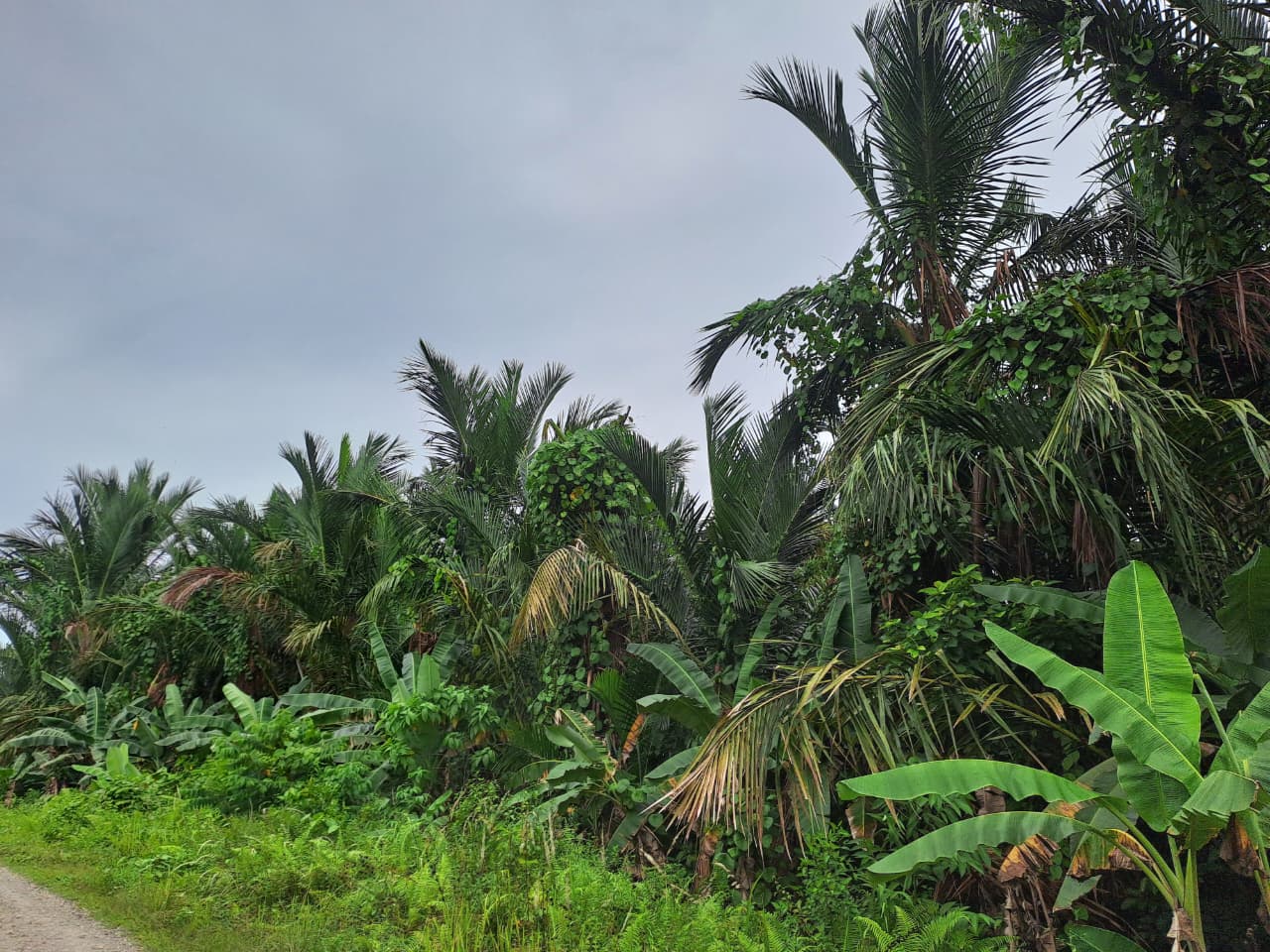
Despite these pressures, the ecological reality of the Mentawai Islands often clashes with the government’s rice-centric vision. The region is characterized by extensive wetlands, peat soils, and high rainfall—conditions that are perfectly suited for sago palms (Metroxylon sagu) but are often hostile to traditional wet-rice cultivation. Attempting to force a "paddy field" model onto this landscape has frequently led to agricultural failure, yet the cultural prestige of rice persists, leading to a precarious dependence on imported grains from Sumatra or Java.
Cultural and Spiritual Dimensions of the Sago Palm
To understand the importance of sago in Mentawai is to understand Arat Sabulungan, the indigenous belief system that governs the relationship between humans, spirits, and nature. In this worldview, every living thing possesses a soul, and the forest is a sacred space that must be treated with reciprocity. Sago is not just a commodity; it is a central element in the community’s cosmological framework. It features prominently in traditional rituals, wedding ceremonies, and communal feasts.
When a community stops consuming sago, the impact extends far beyond their nutritional intake. The abandonment of sago often signals a decline in the practice of Arat Sabulungan. As sago groves are cleared or neglected, the rituals associated with them fade into memory. This cultural erosion is what researchers describe as a threat to the very identity of the Mentawai people. The loss of sago is the loss of a linguistic and ritualistic vocabulary that has been passed down for hundreds of years.
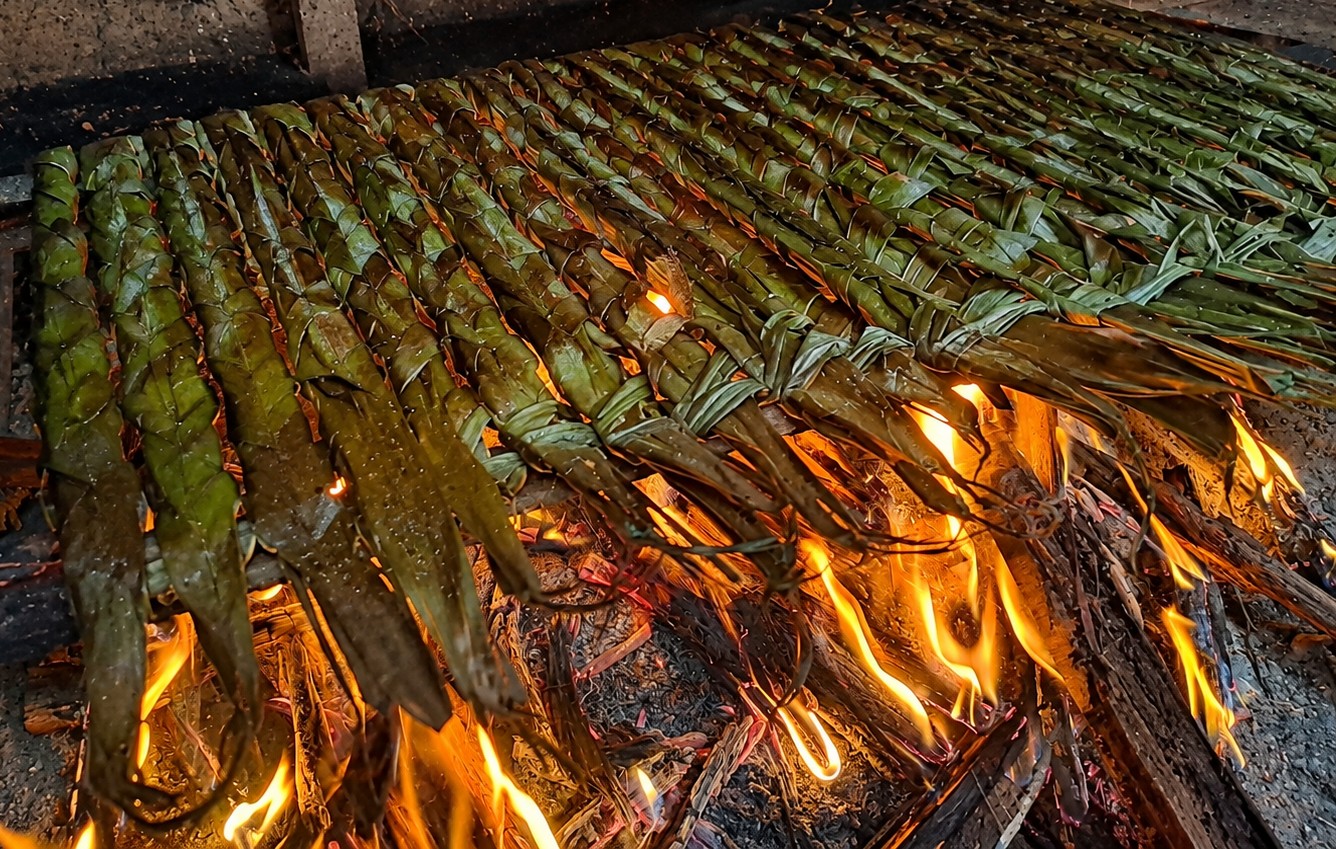
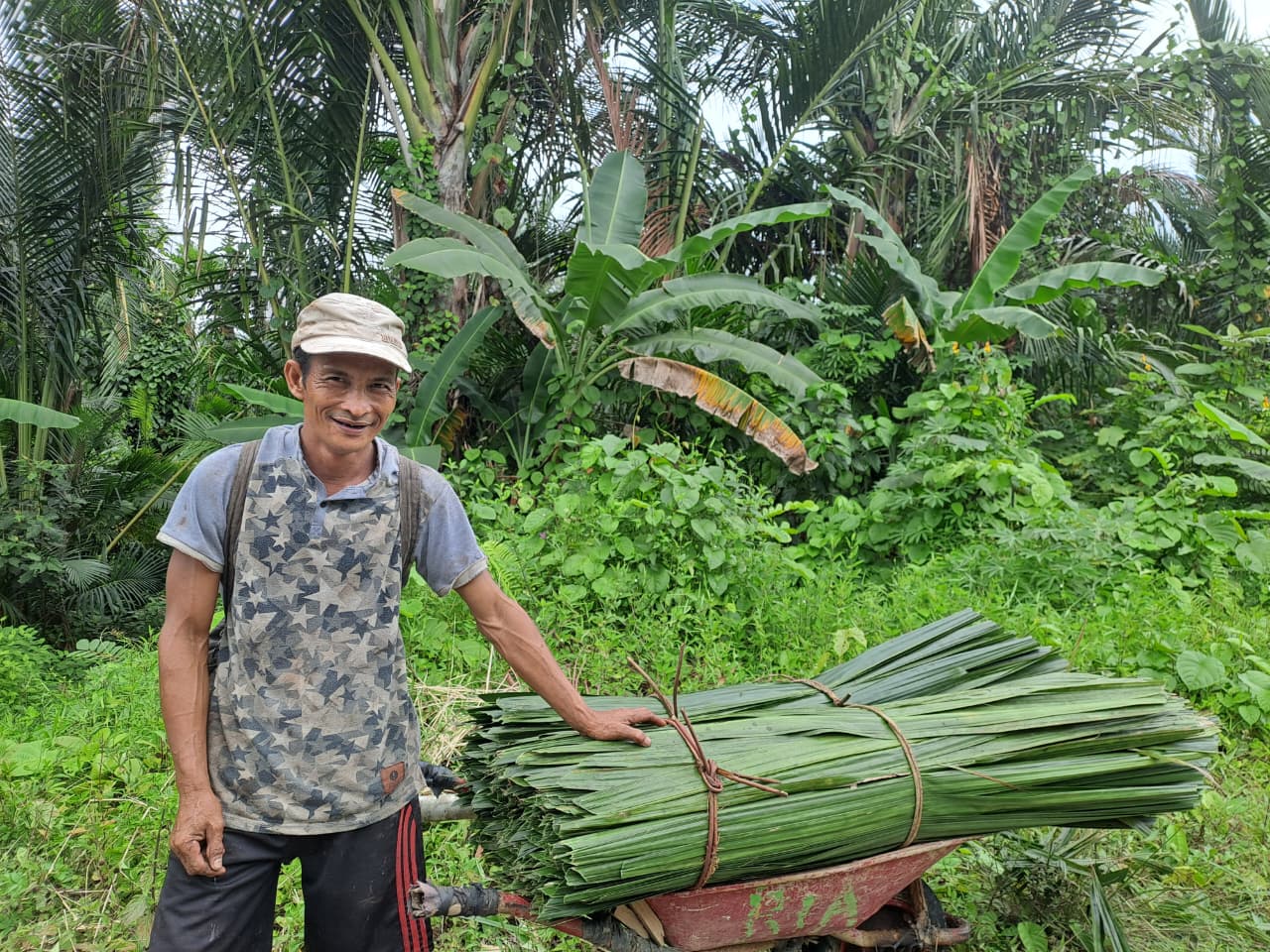
Furthermore, sago’s utility extends beyond the edible starch. In Malancan Village, the sago palm is a "tree of life." The leaves are used to thatch the roofs of traditional houses, providing a natural cooling effect that far exceeds that of modern corrugated zinc sheets. The fronds are used for household implements, and the bark can be used for flooring or fuel. In a very literal sense, the sago palm provides the Mentawai people with food, shelter, and the tools of daily existence.
Economic Realities and Food Sovereignty
In the face of rising global food prices, the economic argument for sago is becoming increasingly compelling. For Keisha and many others in North Siberut, maintaining sago consumption is a matter of financial survival. A 10-kilogram sack of processed sago flour currently costs approximately Rp60,000. In contrast, an equivalent weight of rice can cost double that amount, depending on market fluctuations and transportation costs from the mainland.
Rolan T. Satanduk, a 47-year-old resident of Sirilanggai, exemplifies the dual role of sago as both a staple and a source of income. Between his work as a laborer, Rolan processes sago palms into flour. A single mature sago tree can yield between 15 and 17 sacks of flour. While some of this is kept for his family, the rest is sold to neighbors. However, the labor involved is intensive. The process—felling the tree, rasping the pith, straining the starch, and drying the flour—is still largely done manually.
"If done manually, it takes about two weeks to produce one sack," Rolan explained. Despite the hard labor, he views it as a necessary endeavor. His family also processes sago into ready-to-eat snacks, which they sell for Rp10,000 per portion. This micro-economy keeps cash circulating within the village and reduces the community’s vulnerability to external supply chain disruptions.
The Generation Gap and Modern Threats
Despite its benefits, sago faces a generational crisis. Keisha notes with a hint of sadness that the younger generation in her village increasingly prefers rice. "The children now prefer rice. They don’t want to eat sago anymore," she says. "We, the older ones, still love it. It’s tastier and keeps you full longer." This shift in preference is driven by the ubiquity of instant foods and the continued social stigma attached to traditional staples in schools and media.
The threat is not only cultural but environmental. The Mentawai forests, once a pristine source of biodiversity, are facing pressure from commercial logging and land-use changes. Barnabas Saerejen, a Mentawai community leader, notes that the arrival of timber companies has significantly altered the landscape. "Many sago palms and rattan plants are destroyed when large trees are felled. It is becoming harder to find the materials we need," he says.
The loss of forest cover does more than just remove sago trees; it disrupts the entire ecosystem that supports indigenous life. When the forest is degraded, the community loses its "natural pharmacy" and its "natural supermarket." For the Mentawai people, forest conservation is not an abstract environmental goal; it is a direct requirement for food security and the preservation of their way of life.
Analysis: Sago as a Pillar of Future Food Security
The story of sago in Mentawai is a microcosm of a larger struggle for food sovereignty across Indonesia. As the nation grapples with climate change and the limitations of industrial agriculture, traditional crops like sago are receiving renewed attention from scientists and policymakers. Sago is remarkably resilient to floods and does not require the intensive chemical fertilizers or pesticides that modern rice varieties demand.
A study by Samantha M. Lee et al. (2021) titled The Indigenous Uses of Plants from Siberut found that nearly 50% of plant species in the region are utilized by the community for food, medicine, or ritual. Sago was identified as the most critical species. The study highlighted that 98% of respondents believe this traditional knowledge is vital for their future.
To secure the future of the Mentawai people, a shift in perspective is required. Rather than viewing sago as a "food of the past," it should be positioned as a "food of the future." Strengthening local sago-based economies, integrating traditional ecological knowledge into school curricula, and protecting sago groves from industrial encroachment are essential steps.
As Keisha Sapondoro finishes her meal of kapurut in the fading light of Siberut, the importance of her task is clear. Every roll of sago she prepares is an act of resistance against the homogenization of global diets. It is a reminder that true food security is found not in a single global commodity like rice, but in the diversity and resilience of the land and the traditions that have stood the test of time. For the Mentawai, the sago palm remains a symbol of their enduring connection to the earth—a connection that must be defended if their culture is to survive the pressures of the modern world.

